Encyclopedia
All 78 Tarot Cards
Complete meanings, symbolism, and interpretations for every card — upright, reversed, and across all life areas.
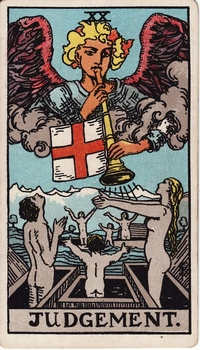
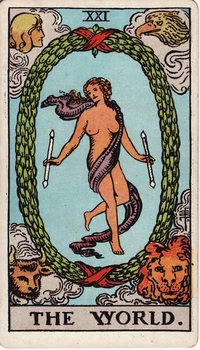
Major Arcana
The 22 cards of life's karmic and spiritual lessons
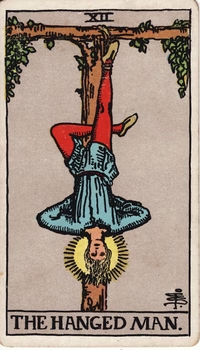
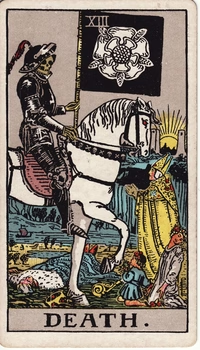
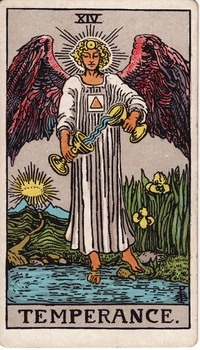
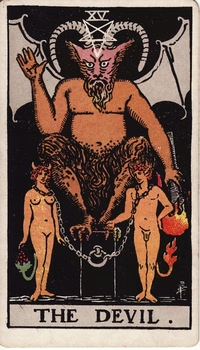
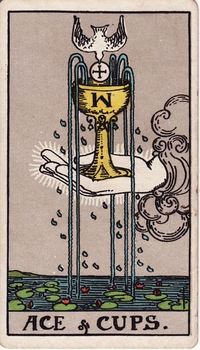
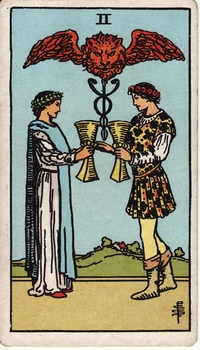
Cups
The emotional realm — relationships, intuition, and feeling
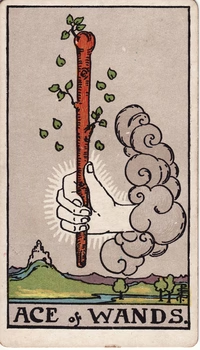
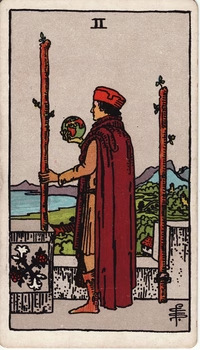
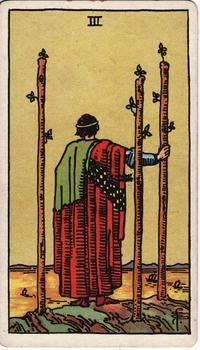
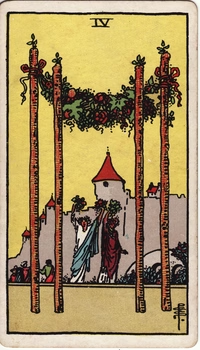
Wands
Fire energy — passion, creativity, and ambition
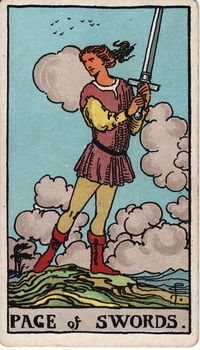
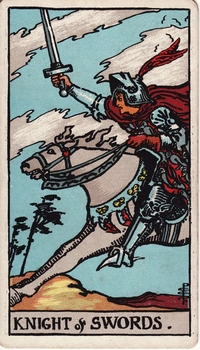
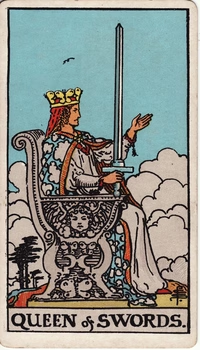
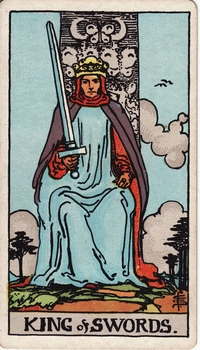
Swords
The realm of intellect, conflict, and communication
Pentacles
The material world — finances, work, and the physical
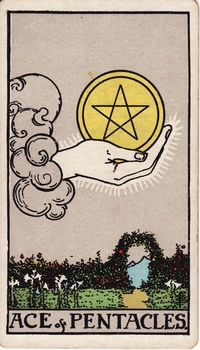
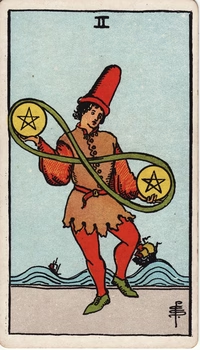
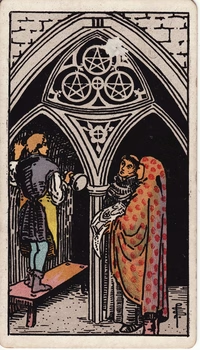
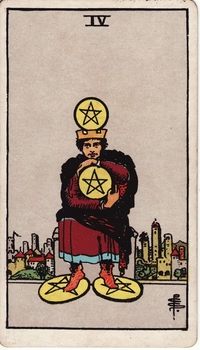
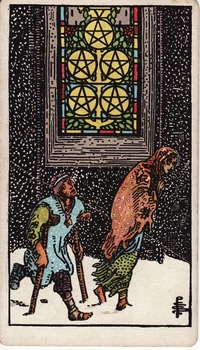
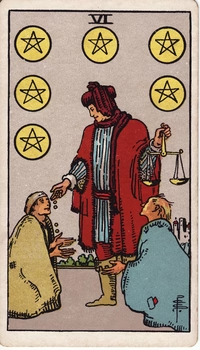
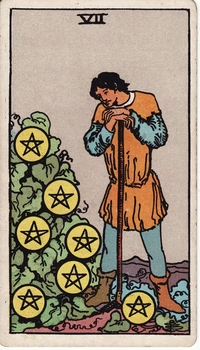
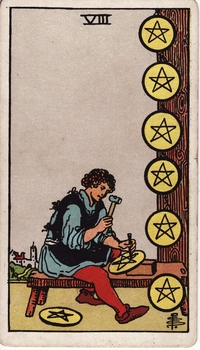
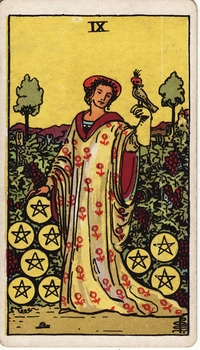
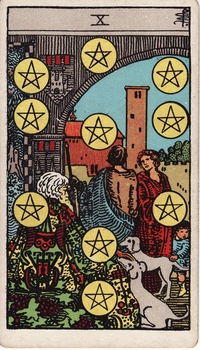
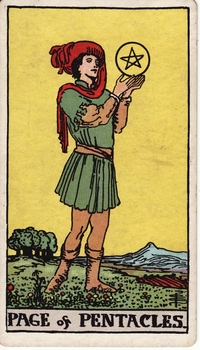
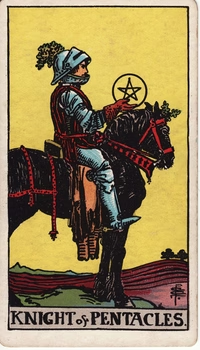
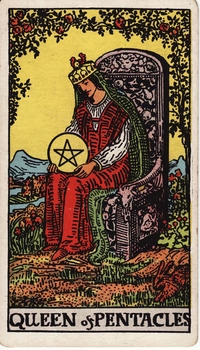
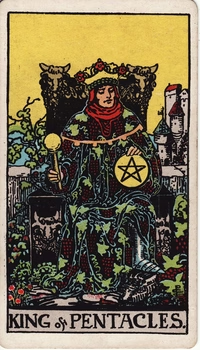
The Complete Tarot Card Encyclopedia
The tarot deck contains 78 cards divided into two groups: the Major Arcana and the Minor Arcana. Together they form a complete symbolic language for understanding human experience — from the grand spiritual forces that shape a life, to the everyday events, emotions, and decisions that fill it. Each card carries its own imagery, numerology, elemental association, and astrological correspondence, and each can be read upright or reversed, yielding a vast range of nuanced meanings across every area of life.
Major Arcana — The 22 Cards of Life's Journey
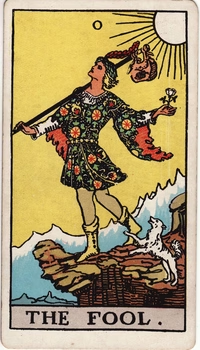
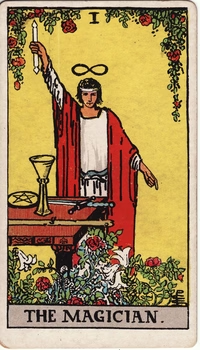
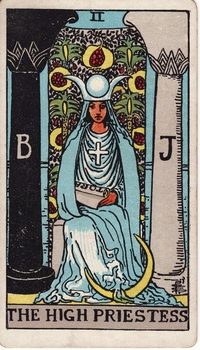
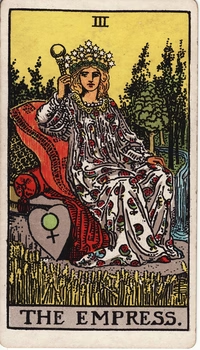
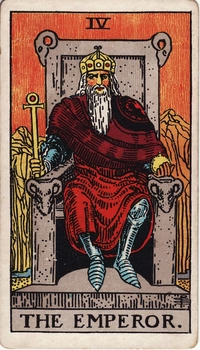
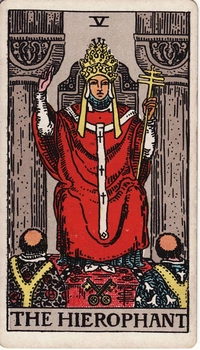
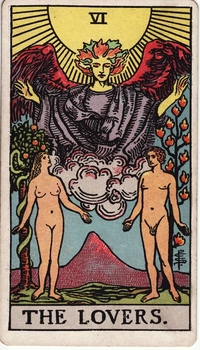
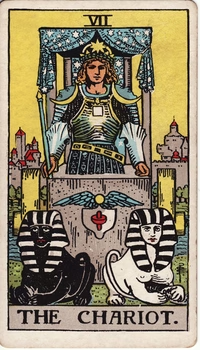
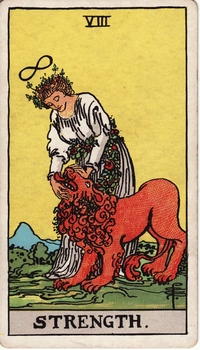
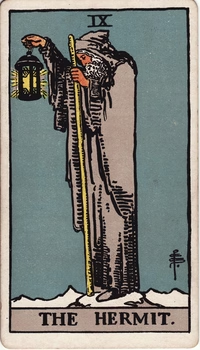
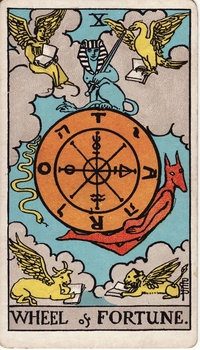
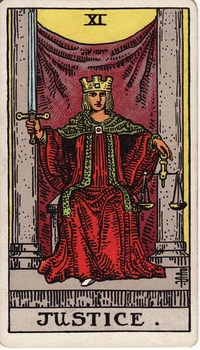
The Major Arcana consists of 22 cards numbered 0 through 21, beginning with The Fool and ending with The World. These cards represent the major archetypal forces and life themes — love, death, justice, transformation, spirituality, and fate. When a Major Arcana card appears in a reading, it signals that something significant is at play, a force larger than everyday circumstances. The sequence of the Major Arcana tells the story of The Fool's Journey: a soul moving through life's initiations from innocent beginnings to hard-won wisdom and integration.
Minor Arcana — The 56 Cards of Everyday Life
The Minor Arcana contains 56 cards split across four suits: Cups, Wands, Swords, and Pentacles. Each suit has 14 cards — an Ace through Ten, plus four court cards (Page, Knight, Queen, King). The Minor Arcana addresses the texture of daily life: emotional states, creative projects, mental challenges, and practical matters. While Major Arcana cards speak to overarching themes, Minor Arcana cards describe the specific circumstances, people, and choices that make up the day-to-day.
The Four Suits and Their Meanings
Each of the four suits governs a distinct domain of human experience and is associated with one of the classical elements.
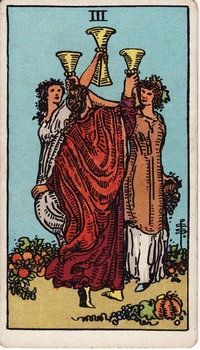
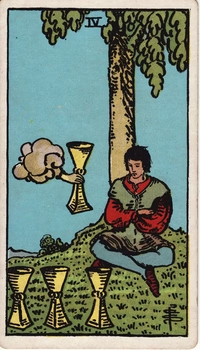
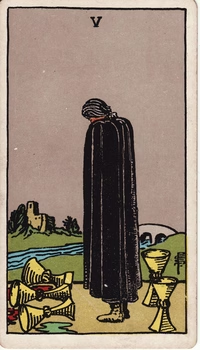
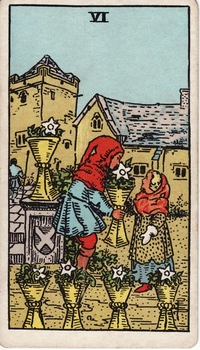
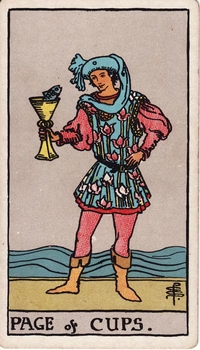
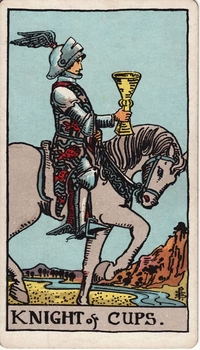
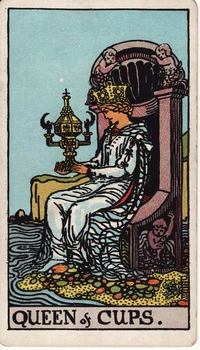
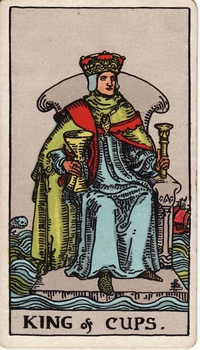
Cups correspond to the element of Water and govern the emotional realm — love, relationships, intuition, dreams, and the inner life. A reading heavy with Cups cards points to matters of the heart and the unconscious.
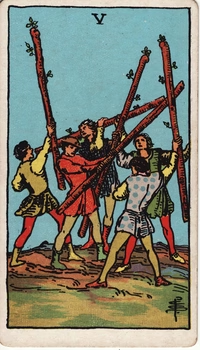
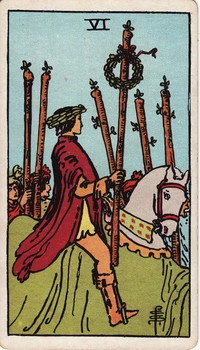
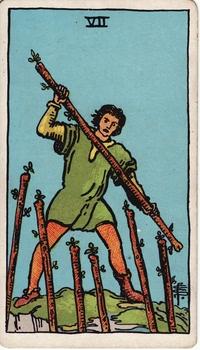
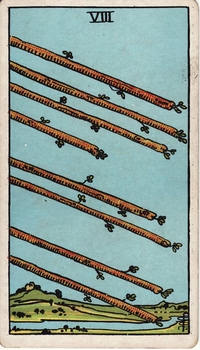
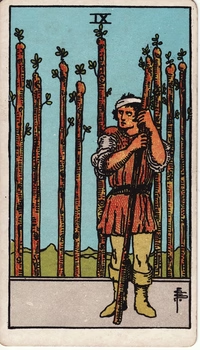
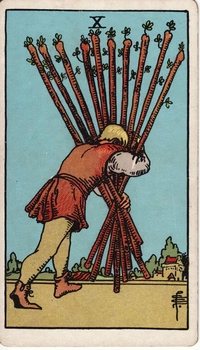
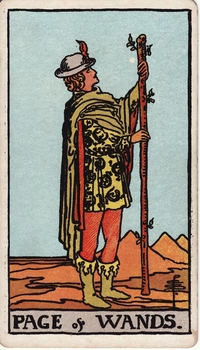
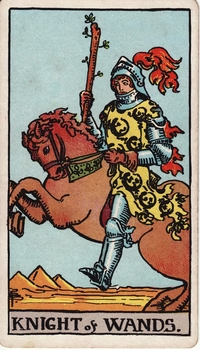
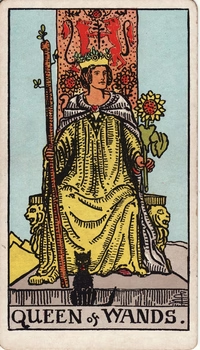
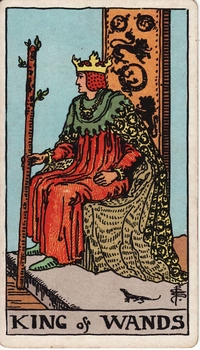
Wands correspond to Fire and represent passion, creativity, ambition, and life force. Wands cards appear when energy is high, projects are launching, or the spirit needs to be rekindled.
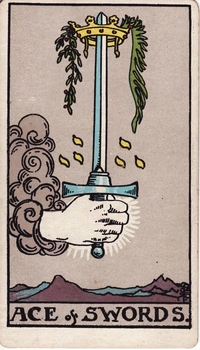
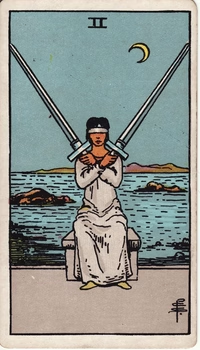
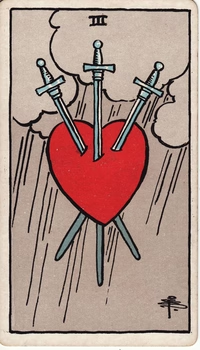
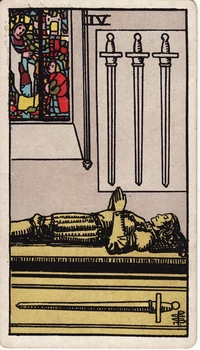
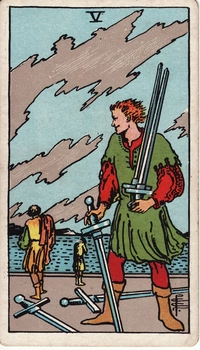
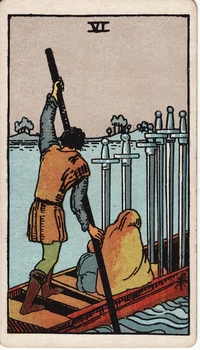
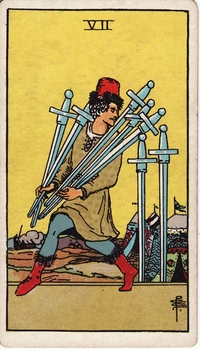
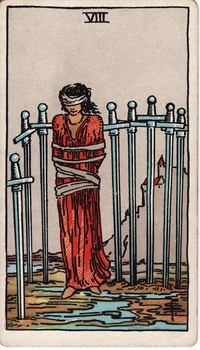
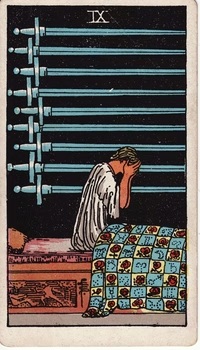
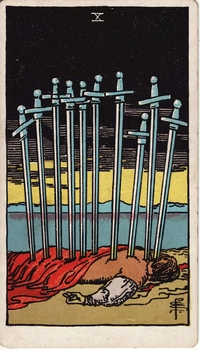
Swords correspond to Air and govern the realm of thought, communication, conflict, and truth. Swords cards can be sharp and challenging — they cut through illusion but can also indicate struggle, pain, or mental turbulence.
Pentacles correspond to Earth and address the material world — money, work, health, home, and the physical body. A spread rich in Pentacles points to practical, tangible concerns.
Upright vs Reversed Tarot Card Meanings
Every tarot card can appear upright or reversed (upside down) in a reading, and many readers interpret these orientations differently. An upright card generally expresses the card's energy in its most direct, outward form. A reversed card can indicate that the same energy is blocked, delayed, internalized, or expressing itself through its shadow side. Reversed cards are not inherently negative — they often point to inner work, resistance, or a need to look beneath the surface. Some readers choose not to use reversals at all, reading every card upright and relying on position and context to add nuance. Both approaches are valid.
How to Use This Tarot Encyclopedia
Each card in this encyclopedia has a dedicated page with its complete upright meaning, reversed meaning, and interpretations across love, career, finance, and health. You will also find the card's elemental association, astrological correspondence, numerological significance, and keyword summary. Use the upright and reversed toggle above to browse all 78 cards in either orientation, and click any card to read its full meaning. Whether you are learning tarot for the first time or deepening a long-standing practice, this encyclopedia is designed to be a comprehensive, reliable reference you can return to again and again.
Frequently Asked Questions
How many cards are in a tarot deck?
A standard tarot deck contains 78 cards: 22 Major Arcana and 56 Minor Arcana. The Minor Arcana is divided into four suits of 14 cards each — Cups, Wands, Swords, and Pentacles.
What is the difference between Major and Minor Arcana?
The Major Arcana represents significant life themes, spiritual lessons, and archetypal forces. The Minor Arcana addresses everyday situations, emotions, and practical matters. Major Arcana cards carry greater weight in a reading and often point to forces beyond day-to-day circumstances.
Do reversed tarot cards always mean something negative?
No. Reversed cards indicate a shift in how a card's energy is expressing itself — often inward, blocked, or in a shadow form — but this is not always negative. A reversed card can indicate healing, introspection, or a lesson being integrated quietly beneath the surface.
What is the best tarot card in the deck?
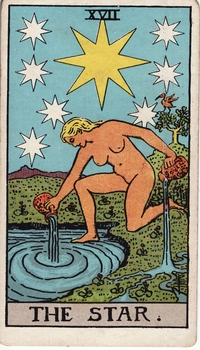
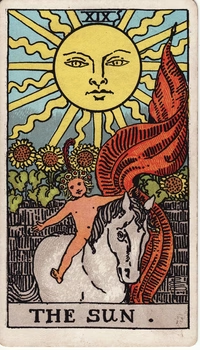
There is no single "best" card, as all 78 cards serve different purposes in a reading. Cards often considered highly positive include The Sun, The Star, The World, and the Ten of Pentacles — but even these carry complexity and nuance depending on context.
What is the most feared tarot card?
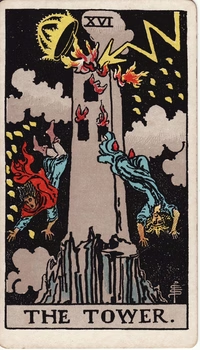
The Death card and The Tower are most commonly misunderstood as frightening. In practice, Death represents transformation and necessary endings rather than literal death, while The Tower signals sudden change that clears away what no longer serves. Neither is inherently negative in the hands of an experienced reader.
Can I learn all 78 tarot card meanings?
Yes — with consistent practice. Most readers recommend starting with the Major Arcana, then learning the suits through their numerological patterns rather than memorising each card individually. Daily card draws and journaling accelerate the learning process significantly.